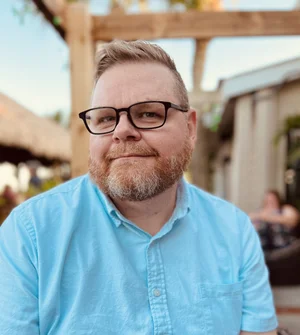
WP 93 | Healing What's Within with Chuck DeGroat
Healing What's Within: A Conversation with Chuck DeGroat on Trauma, Healing, and Faith
In the latest episode of the Wise Practice Podcast, Whitney Owens sits down with Chuck DeGroat, a therapist, pastor, and author, to discuss the profound journey of healing trauma and the challenges faced by faith-based therapists. Chuck shares insights from his upcoming book, Healing What's Within, and reflects on his work with trauma, narcissism, and the church.
Understanding Trauma and Disconnection
One of the central themes of Chuck's work is the deep connection between trauma and disconnection. He explains, “At the heart of trauma lies profound disconnection,” a concept that resonates throughout his book. Chuck draws on his years of experience to discuss how trauma manifests not just as events but as a pervasive sense of alienation from oneself and others.
Drawing from Genesis 3, Chuck emphasizes the spiritual roots of this disconnection: “At the core of trauma is alienation from ourself and from others and, of course, from God.” He stresses that the path to healing involves not just addressing the external causes of trauma but also the internal disconnection it creates.
The Role of the Therapist in Healing
As a therapist himself, Chuck offers valuable advice for other therapists, particularly those in faith-based practices. He shares the importance of doing one’s own work as a therapist, emphasizing the need for self-awareness and personal healing. “There are programs and processes to becoming a therapist that circumvent doing your own work,” he warns, urging therapists to seek their own counseling and maintain relationships with peers who can help them recognize and address their patterns of behavior.
Chuck also touches on the dangers of isolation in therapeutic work, noting that working alone can lead to burnout and a skewed sense of self-importance. He advocates for community among therapists, where regular consultation and mutual support can help mitigate these risks.
Tips and Actionable Steps for Therapists
Seek Personal Therapy: Regularly engage in personal therapy to explore your own emotional landscape and avoid projecting unresolved issues onto your clients.
Build a Support Network: Establish a community of peers for consultation and support. Regular meetings with other therapists can provide valuable insights and prevent the isolation that often accompanies therapeutic work.
Reflect on Your Practice: Continuously assess your motivations and approach to therapy. Are you trying to "fix" your clients, or are you genuinely engaging in the healing process with them?
Embrace Vulnerability: Recognize that you, too, are on a journey of healing. As Chuck notes, "People really are a mystery," and it's okay not to have all the answers.
Final Thoughts
Chuck DeGroat’s conversation with Whitney Owens serves as a powerful reminder of the importance of addressing both the spiritual and psychological aspects of trauma. His insights are invaluable for therapists seeking to deepen their understanding of trauma and enhance their therapeutic practices. As he wisely states, "We get a small sliver of people's stories...there’s a humility to the work."
Show Sponsor: Practice Solutions
By partnering with Practice Solutions, you can remove the burden of billing and focus on patient care. Visit www.practicesol.com/wise to schedule a free consultation, determine which solution is right for you, and receive 15% off your first three months of billing.
Show Sponsor: Navigator Bookkeeping
If you’re looking for a financial ally, Navigator Bookkeeping is offering a limited number of free tactical strategy sessions to listeners of the Wise Podcast. In those 30 minutes, they’ll diagnose the financial health of your practice and, together with you, create a plan for profitability and positive cash flow. Just go to www.navigatingyourbooks.com/wise to schedule your session now.
Links and Resources
Chuck DeGroat has written several books that delve into the topics of trauma, narcissism, and pastoral care. Here are some resources mentioned in the podcast:
Books by Chuck DeGroat:
Healing What’s Within: Coming Home to Yourself--and to God--When You're Wounded, Weary, and Wandering (Coming October)
Free Workshop on Spiritual Abuse and Religious Trauma: If you pre-order Chuck's upcoming book, you can access a two-hour workshop. Visit his website and submit your receipt information to receive the workshop.
Chuck DeGroat Website: You were created to flourish
Chuck DeGroat on Instagram
Chuck DeGroat on Facebook
Chuck DeGroat on Social Media: @chuckdegroat on X, IG, Threads, Facebook
Looking for support and connection: Join the Wise Practice Community
Learn More about Wise Practice Consulting
Connect with Wise Practice on Instagram
Connect with Whitney Ownes on Facebook
Check the podcasts on the PsychCraft Network: PsychCraftnetwork.com
Podcast Production and Show Notes by Course Creation Studio.
-
Healing What's Within with Chuck DeGroat | WP93
[00:01:11] Whitney Owens: Hi, I'm Whitney Owens. I'm a group practice owner and faith based practice consultant. And I'm here to tell you that you can have it all. Want to grow your practice? Want to grow your faith? Want to enjoy your life outside of work?
[00:01:25] Whitney Owens: You've come to the right place. Each week on the Wise Practice Podcast, I will give you the action steps to have a successful faith based practice while also having a good time. Now let's get started.
[00:06:01] Whitney Owens: Today on the Wise Practice Podcast, I have Chuck DeGroat. How are you today, Chuck?
[00:06:07] Chuck DeGroat: Good, Whitney. Good to be with you.
[00:06:09] Whitney Owens: Yeah, we're so glad to have you on the show. I always think it's really special when I can read people's books and then actually talk to them. You know, you feel like you know someone so well just by reading their book.
[00:06:19] Whitney Owens: So really excited to be talking about your books today and I think they're gonna be really helpful specifically for this audience, you know, faith based therapists growing practices and working with clients. But before we jump into that, do you want to share a little bit about yourself, kind of where you're located, your family, so people get to know Yeah.
[00:06:35] Chuck DeGroat: Yeah, well, for the last 11 years, I've been in Michigan where I've been teaching at Western Theological Seminary out here, pastoral care, uh, and actually starting a Christian clinical mental health counseling program here at the seminary. So, uh, but I was a pastor in San Francisco, a pastor in Orlando, Florida.
[00:06:53] Chuck DeGroat: I've been a therapist and a pastor for 25 really plus years now. And so I've lived out that vocation in a kind of hybrid way. Uh, started a couple of church based counseling centers. Uh, one in Orlando and one in San Francisco. And, and I like to write, uh, which you know. Uh, but yeah, I've been married to Sarah for 30 years.
[00:07:15] Chuck DeGroat: We've got two adult daughters. My oldest is getting married in 25 days as of today. So I'm excited about that. So yeah, good things happening.
[00:07:25] Whitney Owens: Well, Holland is a wonderful place to be.
[00:07:28] Chuck DeGroat: You know Holland?
[00:07:30] Whitney Owens: Yes, yes, and I've actually had some clients, believe it or not, here in Georgia from that area, so.
[00:07:35] Chuck DeGroat: Oh wow, yeah, yeah, it's beautiful, especially this time of year.
[00:07:39] Whitney Owens: Well, wonderful. All right, well, so you have a book that's coming out in October, obviously it'll be a little bit after this episode comes out, so we'll have links in the show notes to be able to get that in advance, um, but you have written two books that I have read, so we'll kind of talk a little bit about both of them, if that works for you.
[00:07:55] Whitney Owens: Yeah. And so the 1st question I have here is we'll talk about healing what's within, but the previous book is on when narcissism comes to church. And if you could kind of talk a little bit about how they kind of came together and how 1 kind of led to the other. Because I, I read 1 and then read the other and I could sense that as I was reading it.
[00:08:16] Chuck DeGroat: Yeah, well, so. I think these themes have always been in my writings in one way or another. I wrote a book on the Exodus story and, you know, that's a journey from slavery and struggle to freedom and flourishing. Right. Um, I wrote another book called toughest people to love about doing pastoral work with people who are challenging and wrote a book called whole heartedness, which is about flourishing.
[00:08:40] Chuck DeGroat: And so there are these themes that are there, but I think. You know, the narcissism book really came out of years and years of working primarily with women who had experienced abuse in the church in various contexts and oftentimes not finding the church a very supportive place. And, you know, I've, I've been, whether it's in church or in court, particularly with emotional abuse, judges, judges, or.
[00:09:03] Chuck DeGroat: Lawyers or pastors saying, well, there are no bruises, so it must not be abuse. And, you know, and so working with that kind of, um, you know, with those folks and that kind of work for many, many years. I mean, the narcissism book, uh, was something that really happened. came out of my practice and my, my consulting with churches as well, because we, I've, I've been seeing this for years, particularly in the church planning world.
[00:09:29] Chuck DeGroat: I've done really hundreds of, uh, pastoral and church planning assessments and, um, and, and, uh, there, Is often an elevation on the narcissistic spectrum, maybe not an elevation to the personality disorder, but often that elevation that we've got to work with and discern together. And so the narcissism book really came out of what a number of us were seeing over the last 5, 6, 7 years within the church, but for me, even longer.
[00:10:03] Chuck DeGroat: And then this book was really, A turn in a, in a slightly different direction in the sense of, um, how do we heal when we've been harmed or hurt? You know, so those of us who've experienced abuse or harm of some kind, there's always this sense that we want to, um. Reconcile what's happened out there. You know, we want justice from, you know, the thing that happened to us out there.
[00:10:27] Chuck DeGroat: And what we know about trauma is that it's in here. You know, uh, Bonnie Badenach is a therapist who says trauma is not events. It's aloneness with them. It's, it's the pain that we carry around within us in the absence of, um, a person's presence in our life or the care of a counselor or friend. And so this is a book that addresses, you know, the, the trauma that we all bear.
[00:10:51] Whitney Owens: Yeah, I remember that part of the book. Actually, I have a couple of quotes. I even wrote down that. I was like, oh, I want to talk about these and this kind of goes with where we're at right here. You said in the book, because at the heart of trauma lies profound disconnection.
[00:11:04] Chuck DeGroat: Yeah. Yeah.
[00:11:06] Whitney Owens: And I've been really sitting with that reading the book thinking about disconnection and trauma.
[00:11:10] Whitney Owens: Could you kind of talk a little more about that?
[00:11:12] Chuck DeGroat: Yeah, well, so. Um, the book, as you know, it sort of emerges out of, uh, wrestling with a core text in the Bible, Genesis three, which is a story of primal trauma and primal disconnection, right? And, um, and yet what we know about trauma today from contemporary science, neuroscience, psychology, is that at the core of trauma is death.
[00:11:37] Chuck DeGroat: Disconnection in the sense of alienation from ourself and from others and and of course from God as well. Those who have experienced trauma, particularly trauma. That's quite severe. There is that sense that I'm not in my body. I don't feel I don't feel at home on myself. I don't feel grounded. I don't feel like I'm here right now.
[00:11:56] Chuck DeGroat: Um, I'm not present in the conversation. I go away when things get hard. Um, and we can Transcribed Distract ourselves in all kinds of different ways, numb ourselves in all different kinds of ways. And so, you know, oftentimes, uh, I'm sure in the work that you do when people come to us and present with symptoms of anxiety or depression or relational problems, you'll, you'll notice these more pervasive problems of disconnect, disconnection, dissociation, alienation from oneself.
[00:12:25] Chuck DeGroat: And then, of course, the wounds beneath these things.
[00:12:31] Whitney Owens: Most definitely. Yeah. And you know, one thing I really liked about this book is It had the science, you know, you definitely had some of that. You had therapist quotes, you know, Carl young, some of the good old ones that I love are in here, but it was a book that I felt like was relatable on all levels.
[00:12:49] Whitney Owens: Like, you know, sometimes I mean, now I'm going to send a little narcissistic, but sometimes I'm like, oh, that's beneath me. You know, that book doesn't help, you know, and. And this book, I felt like I was like, wow, like anyone at any level could read this book and feel challenged. Like I felt challenged to rethink.
[00:13:04] Whitney Owens: I mean, this part of the disconnection and trauma is what really sat with me a lot as well as your authenticity about, Hey, you know what? I'm a therapist and I'm, I did pastoral work and I still don't have it together. And I was like, Oh, this is, this is good to hear, but it's also a good book for clients and how we can sit with clients and be with them.
[00:13:24] Whitney Owens: And you kind of walk through these 3 questions.
[00:13:27] Chuck DeGroat: Yeah, we kind of
[00:13:27] Whitney Owens: want to talk a little bit about that. Sure.
[00:13:29] Chuck DeGroat: Yeah. Yeah. Well, these three questions that emerged from Genesis chapter three, that, uh, the first one I've been working with for a long time, the first one being, where are you, you know, uh, Adam and Eve find themselves naked and ashamed and, and, and, uh, hiding, right.
[00:13:47] Chuck DeGroat: Uh, covering themselves in figs, fig leaves, hearing God coming toward them and hiding. And yet God comes with a question, and where are you? And. I don't know about you, but I grew up in a tradition where I heard that as sort of an angry, where are you get back here, you know, and, um, and I think, as I sat with it over the years, particularly in different retreat settings that I've been in, I, I heard kindness and as I did the.
[00:14:12] Chuck DeGroat: The biblical and theological work, uh, beneath it too, that I talk about a bit in the book. It, it really is, uh, the, the, the question of, um, a God who misses us and longs for us, you know, and these questions, where are you, uh, which gets it, where we are, disconnection, who told you, which invites us to look at our stories and the depth of our pain.
[00:14:37] Chuck DeGroat: And then that third question, have you eaten from the tree, which I, I translate is where have you taken your hunger and thirst, which gets at how we cope. I feel like these are three. I often call them the Genesis examined. There are three questions for self examination and they're questions that God asks us, but they're questions that like I asked myself.
[00:14:56] Chuck DeGroat: I asked my clients in one way or another, um, and so I, I, yeah, my, my hope, they frame, as you know, the nine chapters. So three chapters for each question. And I really hope that people find beautiful intersections between scripture and psychology in the book.
[00:15:14] Whitney Owens: Well, that was definitely evident. I'm always trying to integrate spirituality along with psychology and, and I see the God in that.
[00:15:22] Whitney Owens: And I saw that in this book. So there you shared so many really great stories, you know, there's definitely a level of vulnerability, but there was one of them that I got really teared up on. So I'm just going to like talk about that when you turned 50
[00:15:36] Chuck DeGroat: and
[00:15:38] Whitney Owens: you're on the beach Thank you. I'll let you share the story because you're going to share it much better.
[00:15:44] Chuck DeGroat: Yeah, well, so, you know, I, I'm always curious. I want to ask you questions too, Whitney. So, Sure, go at
[00:15:51] Whitney Owens: it.
[00:15:52] Chuck DeGroat: You know, as we, as we hit these milestones, right, these, these, particularly these age milestones, you know, and, and, um, how people experience them, you know, and I know, I think for me, there was a sense of, well, you know, when I turned 40, I'll be, I'll, I'll be pretty put together.
[00:16:07] Chuck DeGroat: Um, and then. You know, when I wasn't through my 40s, particularly as I was turning 50, uh, I, we were out at the beach. Um, my parents were divorced and remarried, but not, not doing well. They were, they were living in central Florida, so we weren't too far away from where they were. And I was going back and forth.
[00:16:28] Chuck DeGroat: So I was kind of disconnected. Um, and, and really, I think longing for something, some sort of experience, some sort of, um, You know, you're on the beach. It's early in the morning. I get up. I, I kind of, I, I kind of get out of the room before my wife and girls get up. And I, I go down and I have this sense of goodness, I'm 50 and I'm still experiencing so much disappointment, pain, shame.
[00:16:54] Chuck DeGroat: I still kind of feel like an imposter. I thought I'd be more together at this point in my life. Um, and, um, there, there's a, How do I put it? There's just sort of an encounter where I get this very palpable sense from God that, um, I'm with you and it's okay, not, nothing like super profound. I don't hear, you know, I don't get a vision or hear lots of voices.
[00:17:20] Chuck DeGroat: It's just that, you know, Very clear sense that I'm with you and and it's going to be okay. Um, and, uh, yeah, it was really, it was really profound. What, what struck you about it?
[00:17:31] Whitney Owens: Because that's what my life feels like all the time, you know, and it was something really refreshing about that. Like, you know, you're not alone in this and that God is in every encounter in every moment, even when we feel disconnected, even.
[00:17:46] Whitney Owens: Feel all these things. He's still working and doing things and there's no place to get to. There's no person I have to perform as in the world. And so I felt like throughout the book, it continued to kind of give that freedom to people to not be that and to see how they're covering that up.
[00:18:04] Chuck DeGroat: Yeah,
[00:18:05] Whitney Owens: I felt that a lot in the book.
[00:18:06] Chuck DeGroat: Yeah. Yeah. And I think it's, it's interesting. The older I get, and I, I just, I was. I was telling you before we got on that I was in Augusta last week, and I was actually sitting with the man who's almost 70. For a good part of the weekend. Who is my host? And, um, really just, I, every time I sit with someone, you know, 15, 20 years older than me, I'm curious.
[00:18:26] Chuck DeGroat: And, and, uh, you know, because I, I, I get the sense that at least at that point in your life, you're done climbing ladders, you know, you're done trying to attain, uh, gain approval, perform. And, uh, I felt like I was sitting with an adult and I asked him, I said, when is it over, when do I, you know, when do we stop trying and, um, and I realized, you know, I, I am letting go gradually.
[00:18:51] Chuck DeGroat: It's taking a long, long time, but not that I'm over ego or anything like that. Certainly not. Um, my, my daily sense of envy and pride and grandiosity and all that stuff testify to that. But there is that sense that that just. You don't need to try so hard anymore and, um, and, and maybe it's okay not having to attain something or, uh, not, not ever being able to get to a point of enlightenment.
[00:19:18] Chuck DeGroat: You know, I'm, I told you, I'm starting a clinical mental health counseling program at our seminary. And there is a sense, even as I start that, that goodness, why me? I'm, you know, um, they should probably have someone that's a lot further along than me, but you know, um, I think that there's a growing sense of it's okay.
[00:19:36] Chuck DeGroat: You're never going to attain it.
[00:19:40] Whitney Owens: Yeah, so, you know, this, this episode of this podcast is for faith based therapists and you're a therapist yourself. And so I'd love to hear your advice or thoughts you have for therapists as we do our own work as therapists. And like, how have you done your own work and, you know, encouragement for that?
[00:20:00] Chuck DeGroat: I love that you asked that because, um, I'll be honest with you. I, I did a PhD program years ago and there were a number of therapists in the program and I thought, I think this group is less self aware than some of the pastors I know. Um, and and maybe less healthy, too. I mean, it was it was, uh, there was some discouragement around that.
[00:20:21] Chuck DeGroat: And I think, you know, there are there are programs and processes to becoming a therapist that circumvent doing your own work. And so that's, uh, people who know me know, that's a constant refrain to do the work. And I think the work happens in a variety of different ways. I think it happens from getting your own counseling.
[00:20:40] Chuck DeGroat: Um, you know, finding someone who, you know, being in the chair yourself, you know, um, and finding someone who is, is, uh, you know, is going to. Sort of ask you the questions or be attuned to where you are in your own unique form of disconnection. But I think I've been fortunate to have therapist friends in my life and other friends who are who know me well enough to know my patterns.
[00:21:07] Chuck DeGroat: They're kind of attuned to the ways in which I avoid. numb, uh, check out, uh, cope, compensate, all those different kinds of things. So having people in your life who know your patterns and who can speak to those patterns, right? Um, I, I, uh, I won't tell you my whole family story, but I have a tendency because of my own family story at times to over function Um, hyper responsible.
[00:21:34] Chuck DeGroat: I think a lot of therapists probably relate to some version of that. You know, um, I want to be the hero. I want to be the rescuer. Uh, and so noticing, I think, when themes come up in therapy and thanks to good supervisors and consultations and counseling over the years, noticing that, um, okay, there's that old theme of.
[00:21:54] Chuck DeGroat: I feel like I'm not doing enough, um, which leads me to believe that I'm not enough. And if I don't fix them, that somehow there's something wrong with me. Well, that's an old story in me because it goes back to my mom and dad's marriage problems and me being in the middle and them actually, uh, divorcing.
[00:22:13] Chuck DeGroat: Right. And so we have to listen for these, uh, deep themes and attend to how they come up in our, our work.
Mm hmm. Yeah, I appreciate kind of what you said about about therapists, because some of that is what led me to read the first book. Mm. And of course I work with practice owners who we tend to have a higher ego.
[00:24:26] Whitney Owens: You know, I'm gonna run this practice. I have a group practice here in Savannah, 15 therapists. You know, I even feel still uncomfortable saying it. I'm like, I run this whole thing. Like, this is crazy. You know? Yeah. But I, I tend to see that our egos are a little higher. There's a little bit of a narciss system tend narcissistic tendency among us, you know, and it's, it's unfortunate, it's painful, it's difficult to see.
[00:24:48] Whitney Owens: Yeah, because these are people that I work alongside.
[00:24:50] Chuck DeGroat: I know. I thought we were immune to this. I mean, I, I thought pastors were, I get that question, you know, sometimes because I wrote, you know, this book about narcissism in the church and, and a lot of it applies to pastors and what we're seeing in the church nowadays.
[00:25:03] Chuck DeGroat: But I do think, you know, there's some inherent dangers in therapeutic work. I mean, we can be pretty isolated. I mean, I, this is why I think the practice model Is so important and I, and I know there are a lot of practitioners out there who are going in on their own, but that's not always wise. You know, we need each other.
[00:25:22] Chuck DeGroat: We need to, uh, you know, being a practice where we can meet regularly with one another or have consultations or at least intersections where we can be known in the midst of our own weariness or after a tough client or. Um, so that's, that's really important. So there is that sense that, um. You know, even those of us who do the work can suffer from a kind of narcissism where we think, well, I'm, I'm beyond that, or I've gotten, you know, I've, I've gotten through that, or I'm, I'm okay being on my own and, and, and we're really not.
[00:25:53] Chuck DeGroat: And then, of course, social media is amplifying a lot of this too, as we, uh, there's this tendency, I think, among therapists that some of us are seeing where we're the new Gnostics. We've got the new wisdom, we've got the insight, and we've got, you know, perfectly manicured Instagram accounts that tell you, you know.
[00:26:10] Chuck DeGroat: Wise pithy sayings about how to help yourself. And, uh, you know, um, that too is something to take a look at. So, yeah, we're not immune. Thanks for bringing that up.
[00:26:22] Whitney Owens: Yeah, well, in the narcissism book, you go through the Enneagram, which I wanted to know what your Enneagram is.
[00:26:29] Chuck DeGroat: If you well, yeah, I do identify as the 4.
[00:26:34] Chuck DeGroat: Okay, okay, I'm a
[00:26:35] Whitney Owens: 1 and I'm like, crazy love the enneagram. So I love that chapter of the book where you go through each of the numbers. Yeah, that
[00:26:42] Chuck DeGroat: was fun.
[00:26:42] Whitney Owens: 1 yeah, I think it was on. To, if I'm not mistaken, but at some point you specifically talk about therapists, like, there's a line or 2, like, oh, a therapist could be like, a narcissistic tendency and the way that we think we have to help everyone.
[00:26:56] Whitney Owens: And then in the healing within, you even. Say that about yourself, you were like, something about if I could sit with somebody long enough and hear their stuff, then I can heal them. And like, I was so like that when I started as a therapist. Yeah.
[00:27:12] Chuck DeGroat: Yeah, I just think it's something to pay attention to. We're not immune to it.
[00:27:16] Chuck DeGroat: And I think that that sense that we all carry that we, you know, we, if we just ask good enough questions or if we show up well enough, or, you know, that we have this, this power to fix someone else. Well, that's, um, yeah, that's something for us to, To be really alert to whether you're new and starting out or you've been doing it for a while.
[00:27:35] Chuck DeGroat: I, I think in some ways, you know, the older I get, the more I, I think, well, I, I should have this figured out by now. You know, I, I ought to be able to, if, if I, if I sit the right way and ask the right questions and, you know, ought to be able to get to places that no one else can get, you know, because I'm supposed to be that good.
[00:27:55] Chuck DeGroat: And it's, it's, Just such a lie and such a form of self deception. The reality is, is that we get a small sliver of people's stories. You know, I think about the counselors that I've seen in the, you know, they just got a little little part of me and our, our stories are unfolding over many, many years. And, uh, and.
[00:28:15] Chuck DeGroat: And, uh, you know, and, and there's a humility to the work. Like it really is. People really are mystery. I've been married for 30 years and my wife is still a mystery to me in some ways. And so who am I to think that sitting with the person an hour a week, like I can fix them or figure them out, you know? So there's a real history to the work.
[00:28:36] Whitney Owens: Definitely. Well, and that goes along with our faith, right? The ministry of our faith. Yeah, that's
[00:28:41] Chuck DeGroat: right. Yeah,
[00:28:43] Whitney Owens: well, I didn't necessarily expect to talk about this, but you mentioned it at the beginning. So people are going to want to hear about it, but you, you have started counseling centers at churches and I have a lot of people who asked me about that.
[00:28:55] Whitney Owens: So, maybe we could spend a few minutes talking about that. Like.
[00:28:58] Chuck DeGroat: Yeah, what has that
[00:28:59] Whitney Owens: been like for you? What recommendations would you have for someone who's thinking about doing that?
[00:29:04] Chuck DeGroat: Yeah, I mean, there are challenges to starting a practice in general, right? And there are probably advantages and disadvantages to starting one within a church.
[00:29:15] Chuck DeGroat: Um, and there are questions that you have to ask about what level of. Connection to the church. It has that are really important questions, but, um, we won't get into those right now. What I, what I will say is I had two very different experiences in churches. One, one experience was, Hey, Chuck, you started counseling center over there and you fix all the really broken people and make sure they get back into us.
[00:29:39] Chuck DeGroat: But, you know, us people who are put together. You know, in a way that they're fixed, you know, so it's that that model was not one that I liked particularly. Uh, um, I didn't think it was really helpful. And, um, and, and, um, it was kind of sad to me as I was in that situation for a number of years, um, to have that reinforced by by some of the leadership of the church where they had this sense that, you know, You deal, Chuck, with all the messy people, you know, and we put together people were over here.
[00:30:10] Chuck DeGroat: Whereas in the church, the second church that I served, I very much had a sense from the top that we're all in need of this work. I mean, we were in San Francisco where, you know, having a therapist is really cool. So, um, you know, there was that sense that, uh, it wasn't if you're in therapy, it's, um, who are you in therapy with, you know, and, um, How often do you go to therapy and there was it that could get weird too, but there was very much this sense of we're all in need of this and this counseling center and this work that, you know, Chuck's doing at the church is really represents the heart of of our church, you know, and so whether we're In the counseling center at the communion table, like, we are, we come with our needs and none of us are exempt.
[00:30:57] Chuck DeGroat: I really appreciated that context and made me doing that kind of work really gratifying.
[00:31:05] Whitney Owens: Yes, I love that. Well, as you go, we kind of come to a close here. I want to have some time for you to kind of share about the work you do, because you're doing a lot of stuff.
[00:31:16] Chuck DeGroat: Yeah, I, thanks for reminding me. Um, yeah, I get, you know, I get to do some really cool things.
[00:31:25] Chuck DeGroat: Uh, I, I, I get to, um, teach at a seminary that I, I really enjoyed being at, you know, and not everyone can say that about, um, those kinds of schools nowadays. It can be tricky places to serve and, you know, If you're following any of the larger stories of institutions, Christian institutions today, there are some really toxic ones, but I work in a good place with really wonderful colleagues.
[00:31:49] Chuck DeGroat: And, um, out of that, the fruit of that has been the development of this clinical mental health counseling program. And so thrilled to get started with that thrilled that my, my oldest daughter is going to be in the inaugural class of that. Well, that's pretty exciting. Um, and, uh, And then we've got this really wonderful diverse group of people coming in for our first class.
[00:32:13] Chuck DeGroat: It's an in residence program. So that kind of limits who can be a part of it, but we have people moving here from some different places. And yeah, but I get to do that. I get to write, but, but, um, I'm an empty nester now. So my wife and I are enjoying these. recent few years in ways that are different than when you're, you know, parenting kids.
[00:32:35] Chuck DeGroat: And so, uh, we've got a Koi pond that we put in our backyard and I'd love to sit by the Koi pond and, and read and write. And, uh, my nervous system likes it a lot too. So I find myself, I have a bit more energy than I had when my kids were toddlers and I was exhausted. A lot of the time, my wife bearing the major brunt of the load.
[00:32:54] Chuck DeGroat: Right. But yeah,
[00:32:57] Whitney Owens: Yes, my children are just out of that toddler. There's 8 and 11, so I'm starting to get a little more energy and starting to sleep more. So, I, I remember that.
[00:33:06] Chuck DeGroat: Yeah, you can see the light at the end of the tunnel can't get you
[00:33:10] Whitney Owens: definitely. Definitely. And now I can actually have conversations with my husband.
[00:33:13] Whitney Owens: So,
[00:33:13] Chuck DeGroat: yeah, yeah. And so
[00:33:16] Whitney Owens: are you still doing clinical work?
[00:33:19] Chuck DeGroat: I do. Yeah, I, uh, so one of the things about working at a seminary is it affords me some good space and time to do work. So, I see. I I, on any given week, I probably see between 10 and 15 clients, um, for counseling. So I've got a, a, a decent counseling load that I maintain, and I do five day intensives as well.
[00:33:39] Chuck DeGroat: So I'll work with, um, usually once a month or so I'll have, um, someone come in and we'll do five days together, three hours a day. Uh, where, where there are intersections of counseling work and spiritual direction, what I call soul care, uh, that, you know, gets to kind of the deep issues of the heart. So yeah, it's, I, and I, I don't, I can't imagine teaching or, or writing.
[00:34:03] Chuck DeGroat: Thing about this stuff without being actively engaged in the clinical work. So
[00:34:08] Whitney Owens: I understand that. I mean, I feel the same way. I don't feel like I could run a practice or try to help practice owners. If I wasn't seeing clients, like, yeah, that's right. Rounding to me, yeah, I can kind of get away with myself.
[00:34:18] Whitney Owens: We'll talk about the ego. I need to come back and be like, this is what matters. This deep work that we do with people.
[00:34:25] Chuck DeGroat: I hear you a hundred percent. Yep.
[00:34:27] Whitney Owens: Yeah. And are you still traveling and speaking as well?
[00:34:31] Chuck DeGroat: Yeah, I do. I mean, I, I am with boundaries, uh, because, um, because I've got other things going on, but I, yeah, generally get to.
[00:34:39] Chuck DeGroat: Get around a bit and was just down in Augusta and I'll be in, uh, Chattanooga in, uh, September and Charleston in October, I think. And so, or maybe Houston in October, Charleston in November. So it's like, I guess I, I'm getting to go down south a lot, Whitney. So, um, yeah. Uh, I don't know what that's about, but, uh, I live up here in Michigan, so longer flights, but yeah, I love doing that kind of work.
[00:35:06] Chuck DeGroat: Yeah,
[00:35:06] Whitney Owens: yes. Well, the South's a great place to be so you can enjoy our accents.
[00:35:11] Chuck DeGroat: That's right. Yeah.
[00:35:12] Whitney Owens: Well, this has been very enjoyable. And again, I'll have information in the show notes about the book and you can pre order it. It's coming out in October. Correct?
[00:35:20] Chuck DeGroat: Yeah, that's right. Yep. Wonderful.
[00:35:23] Whitney Owens: Well, do you have any parting words thoughts before we end today?
[00:35:27] Chuck DeGroat: Well, I'll say this. Um, if this comes out before the book comes out, uh, one thing is I put together a two hour plus workshop on spiritual abuse and religious trauma that, that, um, I'm, I'm just kind of giving away if you pre order the book. So there's a place you can click on my website if people want that free course.
[00:35:47] Chuck DeGroat: Um, and then I just, they, they just send me a little contact form with the, um, With the registration information, or I guess the, the receipt information and I send them the code. So yeah, there's, there are intersections, you know, as, as you said, between like the narcissism work and, and this work and the connections between abuse and trauma that are really important.
[00:36:09] Chuck DeGroat: And, um, I'm really, because I was a pastor, I long to serve churches. So like even this two hour workshop is really for, It's for everyone, but it's in part for pastors and churches that really looking to care for people well in this time. So, um, yeah, and thanks, by the way, for all you do on that front as well for, you know, the resources that you provide practitioners and those who want to do the work that we do.
[00:36:38] Whitney Owens: Thank you. Well, it's my honor to do so for sure. Well, thank you so much for your time today and being on the podcast.
[00:36:44] Chuck DeGroat: I appreciate it Whitney. Thank you.
[00:37:06] Whitney Owens: Special thanks to Marty Altman for the music in this podcast. The Wise Practice Podcast is part of the Sitecraft Podcast Network, a collaboration of independent podcasters focused on helping people live more meaningful and productive lives. To learn more about the other amazing podcasts in the network, head on over to sitecraftnetwork.
[00:37:26] Whitney Owens: com. The Wise Practice Podcast represents the opinions of Whitney Owens and her guests. This podcast is for educational purposes only, and the content should not be taken as legal advice. If you have legal questions, please consult an attorney.